When it comes to camping, choosing the right tent can make or break your trip. With so many options out there, it’s easy to feel overwhelmed. But don’t worry! Here’s a simple breakdown of tent types that fit every kind of camper.
If you're a solo adventurer, a backpacking tent is your best buddy. These tents are lightweight and packable, making them easy to carry in your backpack. They’re built for quick setups and take downs, so you can hit the trails without wasting time. Check for weather resistance, as you want something that holds up against rain and wind.
For family trips, consider a family tent. These tents offer plenty of space and headroom, which means you won’t be bumping into each other all night. Look for models with multiple rooms or dividers if you want a little privacy. Ventilation is key, especially if you’re camping in warmer weather, so choose a tent with good airflow to keep everyone cool and comfortable.
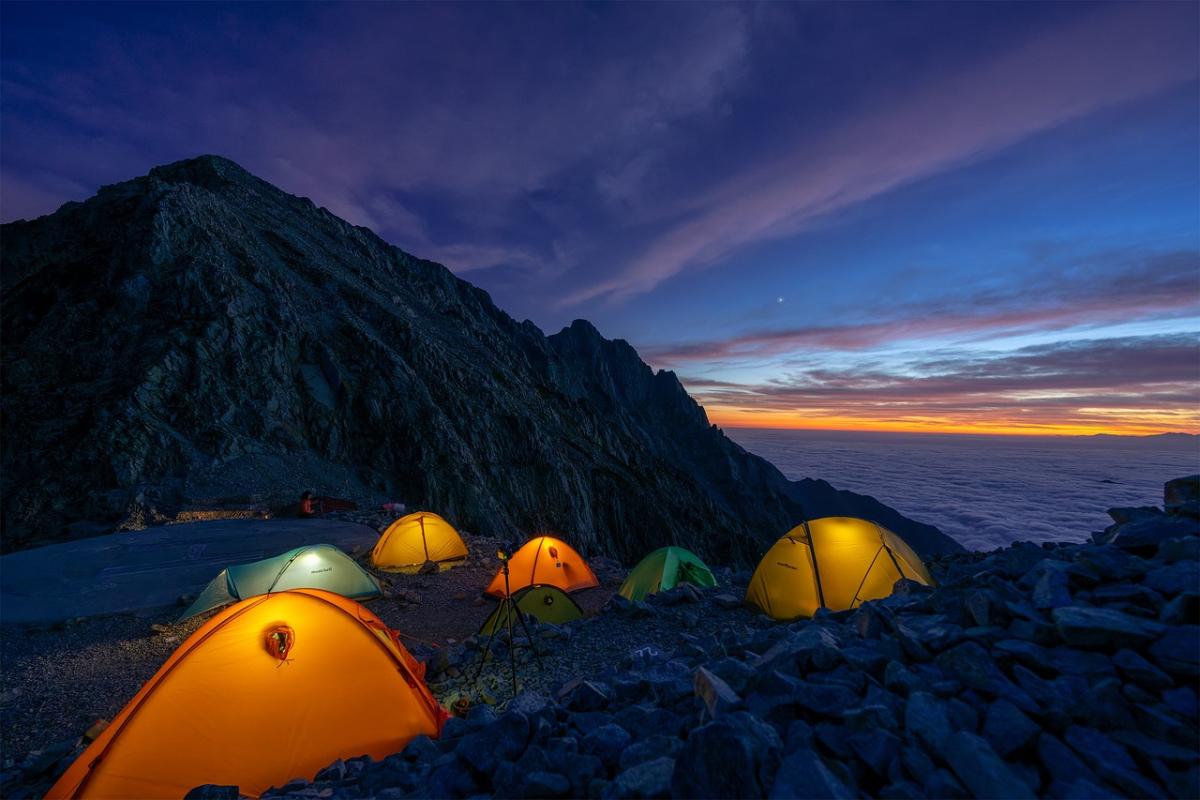
If you’re heading somewhere with extreme weather conditions, a four-season tent is what you need. These are built tough to handle snow, wind, and rain. They usually have a more durable fabric and stronger poles. If you enjoy winter camping or mountainous regions, investing in one of these is a smart move.
Finally, don’t forget about pop-up tents if you’re just looking for something easy and quick. They’re great for festivals or casual camping trips where you won’t be staying long. Just toss it out, and it practically assembles itself. Perfect for those who want fun without the fuss!
Size Matters When Choosing a Tent
When picking a tent, size is a big deal! You want enough space to sleep comfortably and store your gear. If you're camping solo, a two-person tent can give you plenty of room. For families or groups, consider a larger tent that fits everyone without feeling cramped.
Think about how you’ll use the space. If you plan to hang out inside during bad weather, a tent with a bit more room is ideal. Look for options with extra height so you can sit up without banging your head.
Also, check the tent's weight if you're backpacking. Bigger tents can be a pain to carry. Look for a good balance between space and weight to keep your load manageable.
Don't forget to account for your gear! You don’t want your bags spilling into your sleeping space. A tent with a vestibule or additional storage pockets can keep things organized and out of your way.
Finally, remember that tent sizing can vary from brand to brand. Always double-check the recommended capacity to make sure it’ll work for your group. Trust me, a little extra room can make your camping experience way more enjoyable!
Weatherproofing Your Tent Is Key
When you head out into the great outdoors, the last thing you want is a soggy sleeping bag and a flooded tent. Weatherproofing your tent is a must. A tent that can handle the elements keeps you safe and comfortable, no matter what Mother Nature throws your way.
First things first, check the tent's material. Look for sturdy fabrics like ripstop nylon or polyester, which are both water-resistant. The waterproof rating matters too; something around 3,000 mm or higher usually means it can handle some serious rain.
Don’t forget about the seams! Most tents come with taped seams, but sometimes it helps to apply a seam sealer yourself. This little extra step can prevent water from sneaking in through those tiny gaps. Plus, a rainfly is also a game-changer. It acts like a protective shield and keeps water from pooling on the top of your tent.
Also, setting up your tent correctly can make all the difference. Choose a spot that’s elevated, ideally away from puddles and runoff areas. Angling the tent away from the wind can help too, keeping you cozy and dry inside.
Lastly, always keep an eye on the weather forecast before your trip. Knowing what to expect can be the difference between a fun adventure and a soggy nightmare. With a little preparation, your tent can be a safe haven, no matter what the sky looks like.
Set Up and Take Down Tips
Setting up your tent can be super easy if you follow a few simple steps. First, pick a flat area free from rocks and sticks. Lay out the tent and figure out how everything fits together. Start with the tent body and then attach the poles. Most tents come with color-coded poles and sleeves for quick assembly, which makes it even easier!
Once you have the main structure up, stake it down to keep it secure. If it's windy, adding extra stakes can really help. Don't forget to throw on the rainfly if rain is in the forecast. It adds an extra layer of protection and keeps your gear dry.
When it's time to pack up, empty the tent of all your gear first. This way, you won’t accidentally leave anything behind. Carefully take off the rainfly and poles, then fold the tent neatly. Some tents even have a specific way to fold to save space. Always make sure to clean it before packing it away to avoid mold and mildew.
And remember, practice makes perfect. Set up your tent a few times at home before your camping trip. It’ll build your confidence and help you get it done quickly when you’re out in the wild. Happy camping!